
Garden Fencing in Ireland: Finding the Perfect Balance of Privacy and Durability
Most of us don't think about our garden fences until a heavy January storm blows through Dublin and leaves half of the panels lying flat on the lawn. It is a frustrating, stressful, and expensive experience. Suddenly, your privacy is gone, your dog can escape into the neighbour's yard, and you have to scramble to find an emergency repair service.
Need Storm-Proof Garden Fencing in Dublin? Request a Quote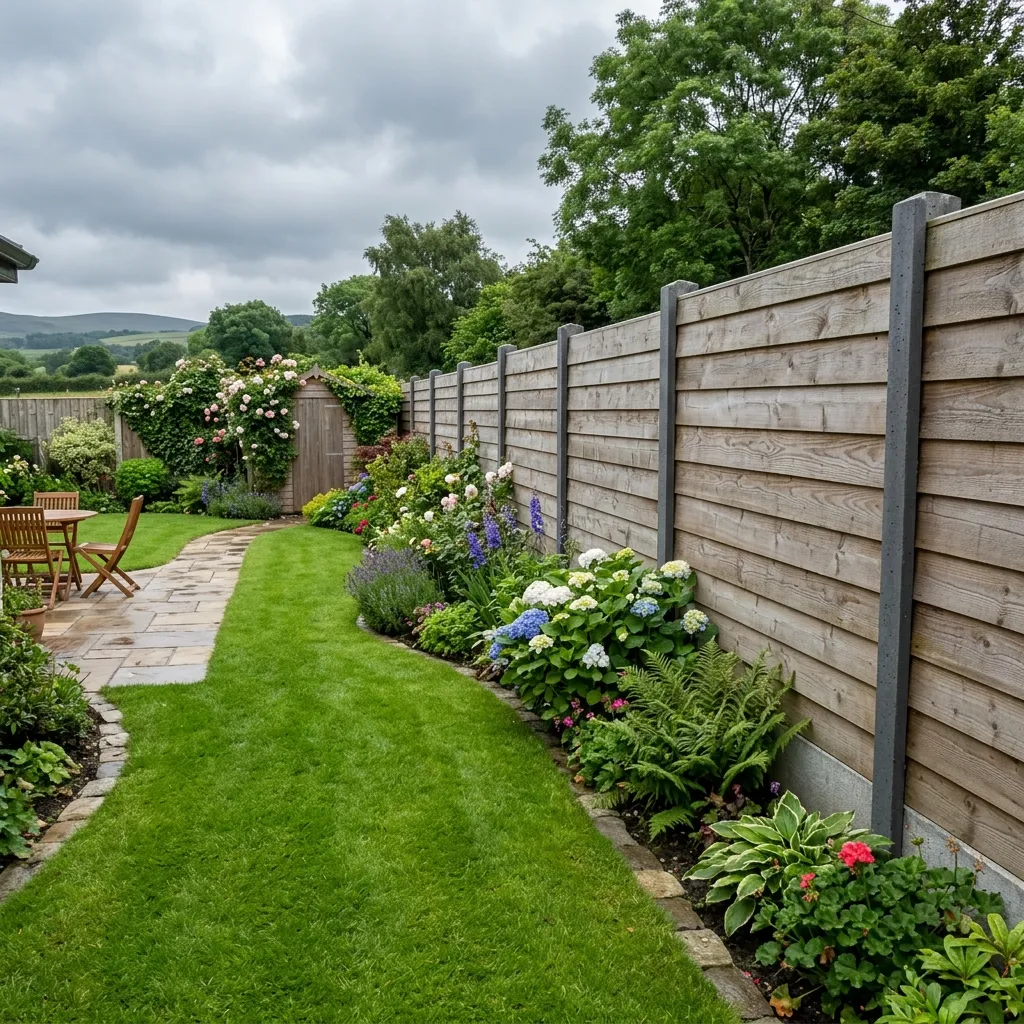
A good fence does a lot of heavy lifting. It defines your property boundaries, keeps your children safe, blocks out nosy neighbours, and provides a solid backdrop for your planting beds. But when you are dealing with the Irish climate—which brings sideways rain, constant dampness, and severe winter gales—picking up the cheapest wood panels from the local hardware store is a huge mistake.
In this guide, we are going to walk you through the most practical fencing options for homes in Dublin and the surrounding counties. We will look at what materials actually survive our weather, why certain installations fail, and how to choose a fence that looks beautiful for years.
The Battle Against the Elements (Why Cheap Fences Fail)
The most common type of fence you see blowing over in Ireland is the basic "waney lap" or overlap panel. These are the thin, rough-cut horizontal boards you find stacked outside DIY shops. While they are very cheap to buy, they are incredibly flimsy. The wood is thin enough to snap easily, and because the boards overlap loosely, they catch the wind like a massive sail.
If you live in an exposed area—maybe near the coast in Bray or Malahide, or anywhere the wind funnels between houses—these panels simply cannot handle the pressure. Furthermore, cheap timber is often poorly treated. Once the damp sets in, the wood rots from the bottom up, making it even weaker.
If you want a fence that lasts, you need to invest in thicker materials, smarter designs, and much stronger support systems.
Traditional Timber Fencing: Classic but Requires Care
Timber remains the most popular choice in Ireland because of its natural, warm appearance. However, not all wooden fences are created equal:
- Shiplap & Feather Edge Panels: Thicker than overlap panels. The boards interlock tightly or overlap vertically, creating a much stronger barrier against high winds.
- Pressure-Treated Wood (Tanalised): Wood that has had chemical preservatives forced deep into its grain under high pressure. This protects it against fungal decay, wood rot, and insect attacks far better than dipped timber.
- Slatted / Contemporary Trellis Panels: Horizontally slatted fences allow air currents to pass through small gaps between the slats. By reducing wind resistance, slatted fences are significantly less likely to blow over during Irish winter storms while still providing contemporary aesthetic privacy.
Modern Low-Maintenance Alternatives: Composite & Steel
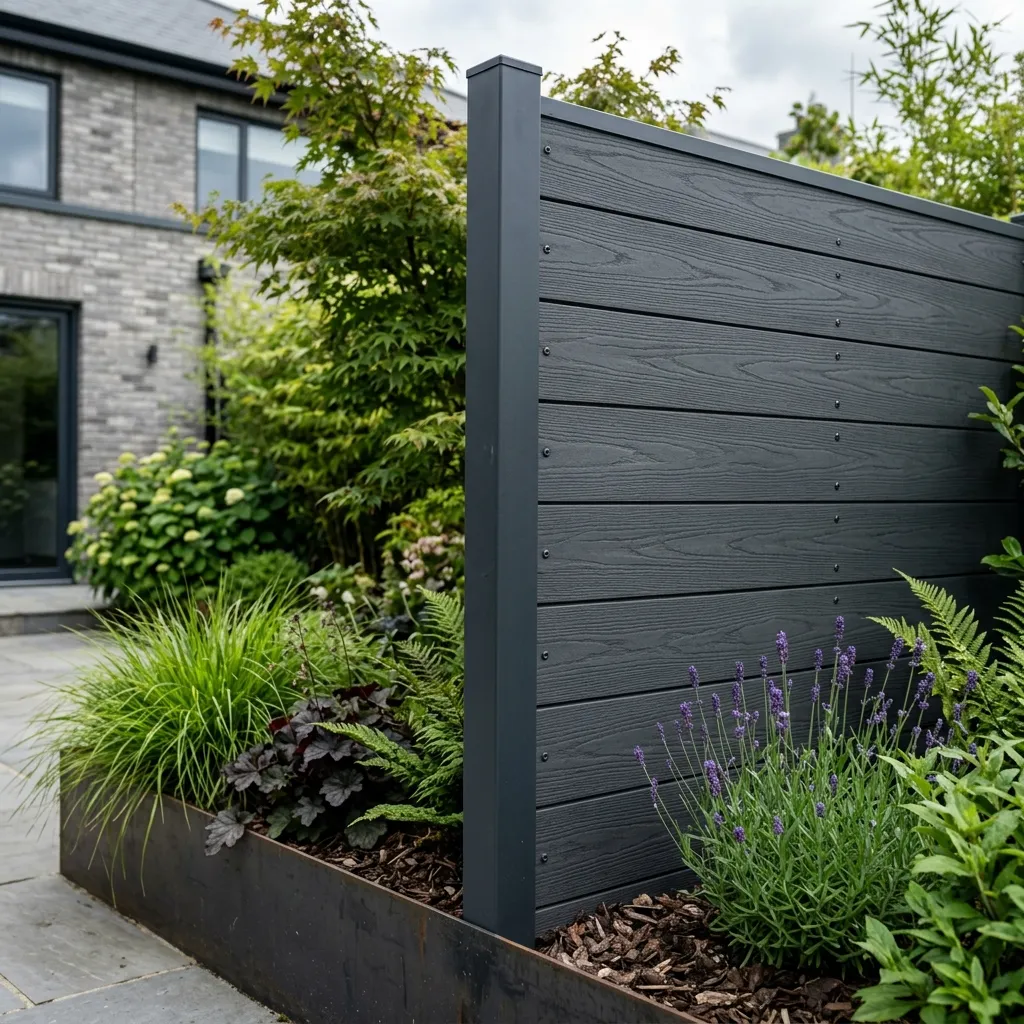
Composite Fencing: Made from a highly compressed blend of recycled wood fibres and durable plastic. It looks and feels remarkably like real timber, complete with wood grain textures, but it behaves like plastic. It will never rot, warp in the sun, or splinter. Most importantly, you never have to paint or stain it—a simple wipe down or light power wash keeps it looking pristine.
While composite fencing is more expensive upfront compared to timber, you save a massive amount of money and time over ten years because you never need to buy wood treatments or hire painters.
Metal SmartFence Systems: Made from galvanized steel coated in weather-resistant PVC. They are incredibly tough, completely impervious to damp Irish weather, never need painting, and slot cleanly into concrete posts.
The Great Debate: Wooden Posts vs. Concrete Posts
This is where most fencing mistakes happen. You can buy the most expensive timber panels in the world, but if you attach them to cheap wooden posts driven directly into wet soil, the fence will eventually fail. Wooden posts rot right where they meet the ground level. Wet soil breaks down the timber over a few years, the post weakens, and the next strong wind snaps it at the base.
We almost always recommend Concrete H-Posts. Concrete posts will never rot. Sunk deep into the ground and set in solid concrete, they provide a permanent rigid structure. Fencing panels slot securely into the 'H' shaped side grooves. If a timber panel ever gets damaged by severe weather, you don't rip up the whole fence—you simply slide the broken panel up and out of the concrete posts and slide a new one in within ten minutes.
Do You Need Planning Permission for a Fence in Ireland?
Replacing or installing a fence in your back garden generally falls under exempted development in Ireland, meaning you do not need planning permission. However, there are strict height limits:
- Back Garden: Up to 2 metres high without planning permission. Anything taller requires local authority council approval.
- Front Garden (Facing Road): The maximum height without planning permission is 1.2 metres to ensure driver and pedestrian sightline safety.
Summary: Do It Once, Do It Right
Your garden fence is a structural part of your home's exterior. Trying to cut corners with cheap, flimsy overlap panels and untreated wooden posts will only cost you more money when the next winter storm arrives. Whether you choose the natural privacy of heavy shiplap timber or the ultra-modern convenience of composite panels, make sure they are installed securely with proper concrete posts and deep foundations.